I W A L K A L O N E, H A V I N G B E E N B O Y C O T T E D B Y T H E W O R L D
א י ך ג י י אַ ל י י ן . ד י ו ו אָ ר ה אָ ט מ י ך ב ו י ק אָ ט י ר ט
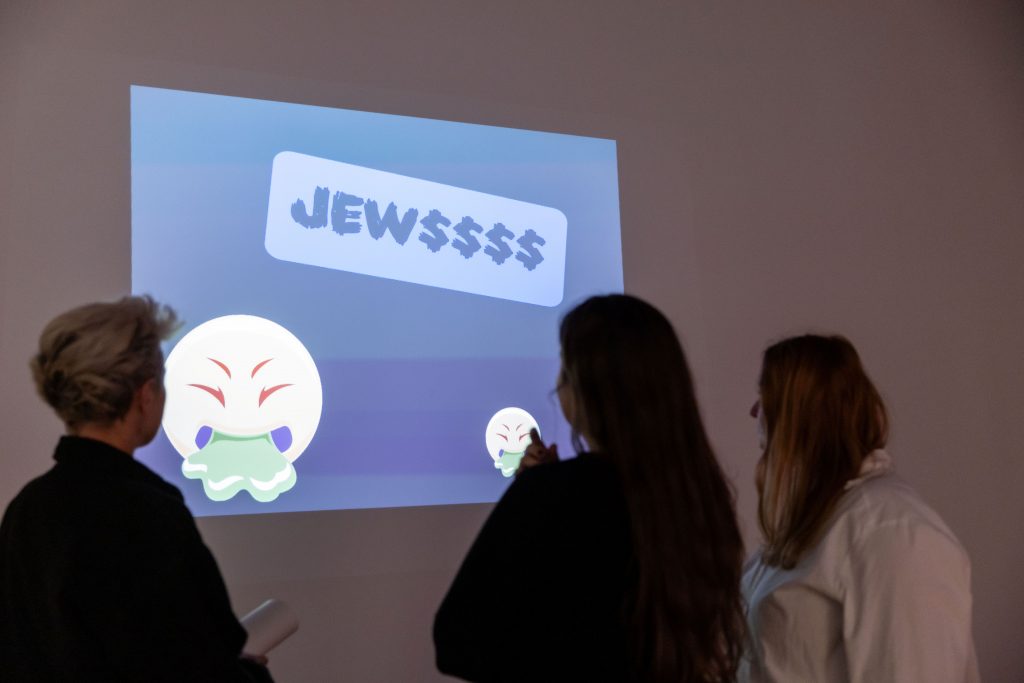
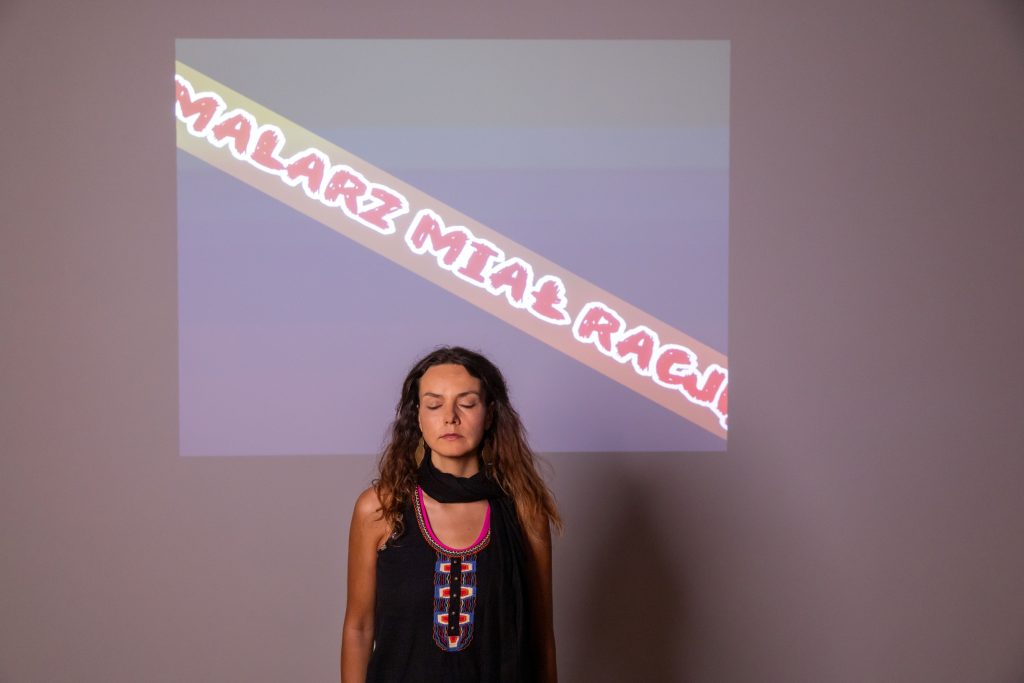
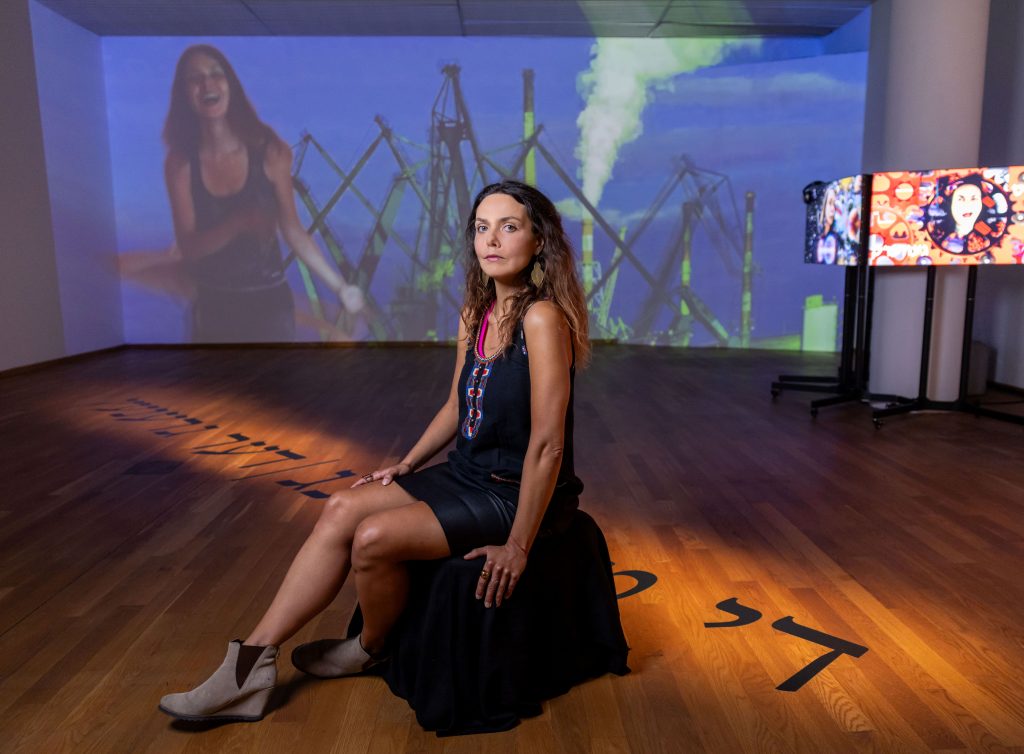
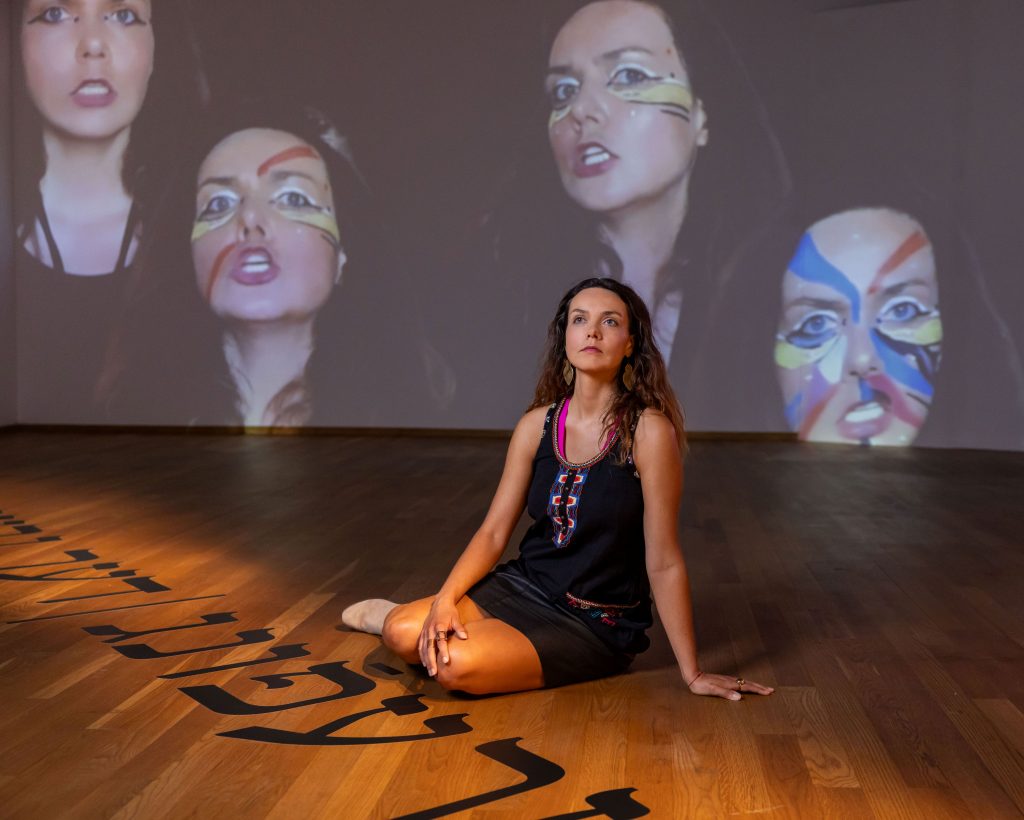
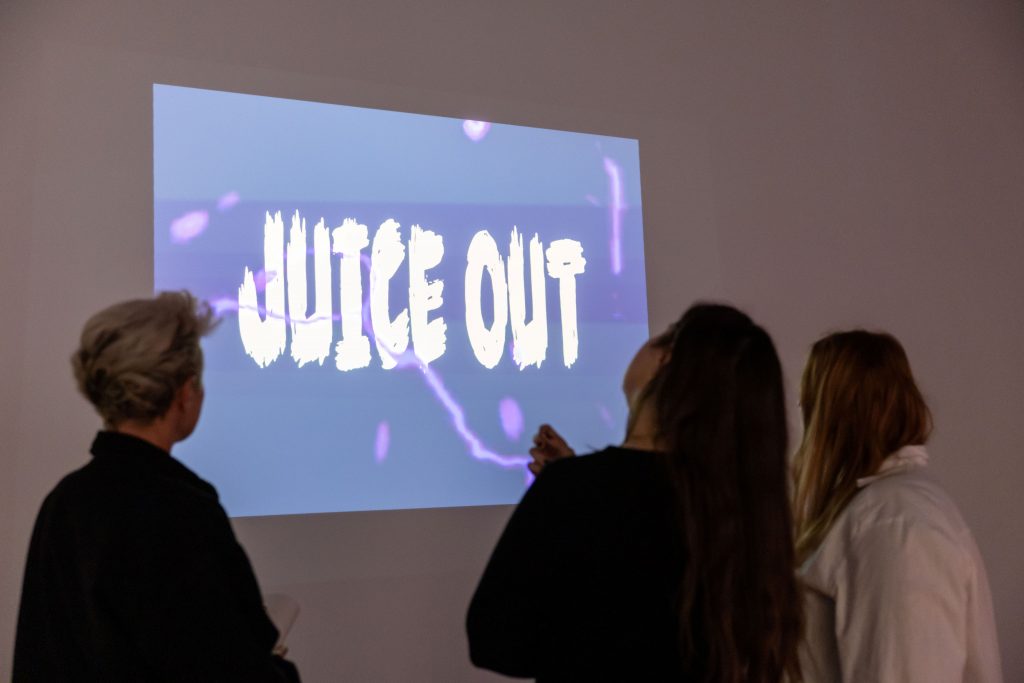
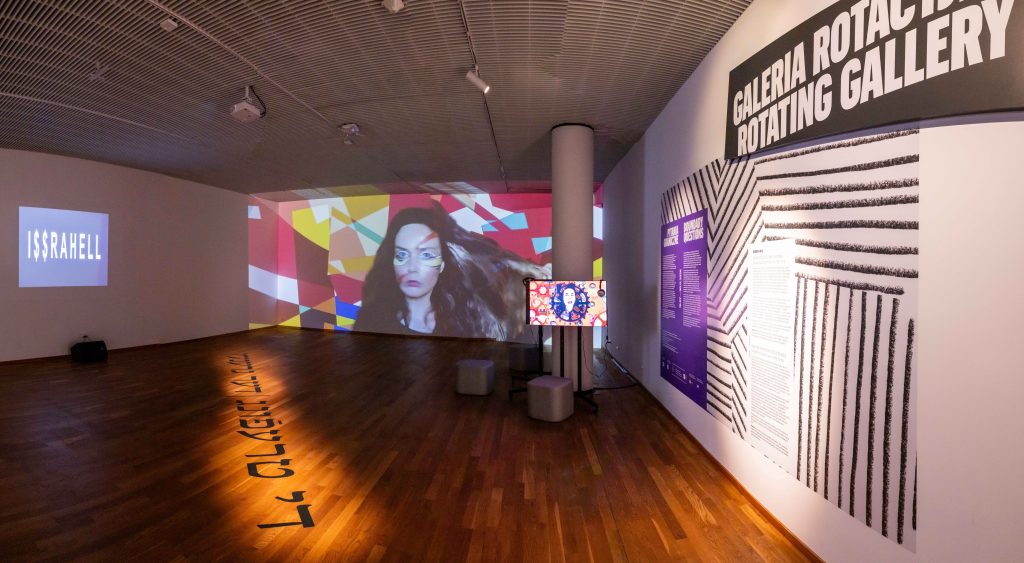
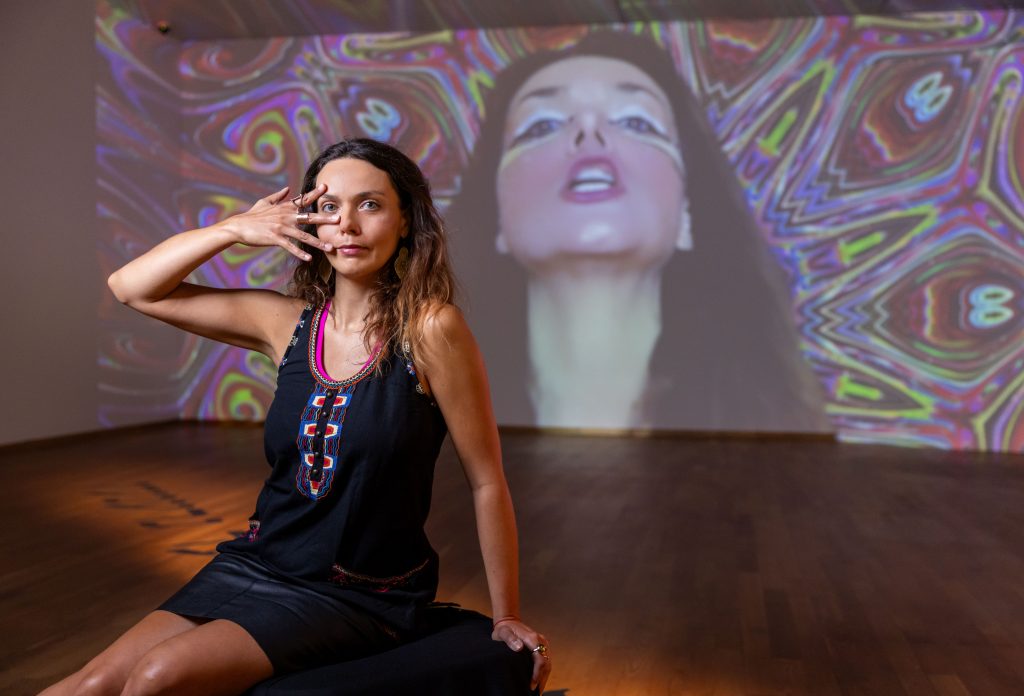
Maria Ka’s 2nd invdividual multimedia exhibition installation in POLIN Museum of the History of Polish Jews in Warsaw between August 13th & September 7th 2026 presented the clash between Maria’s Yiddish artistic world and the phenomenon of the cultural boycott of Jewish artists —happening in Poland, too — in the context of the war in the Middle East. The concept of the installation „I Walk Alone, Having Been Boycotted by the World איך גיי אַליין. די וואָר האָט מיך בויקאָטירט” was based on the juxtaposition of two worlds—the creative and the political. In 2025, the latter intruded—by way of geopolitics—upon the artist’s creative trajectory, fundamentally reshaping the musical universe she had built so far.
The first part of the installation’s title paraphrased one of the main slogans of the Women’s Strike movement, in which the artist took an active part: „You Will Never Walk Alone.” Its transformation reflects the current experience of many members of the Jewish community—one of isolation and cultural exclusion.
The installation was divided into several sections and was rooted in the artist’s personal experience of a wave of online abuse and threats surrounding the release of her fifth and most recent Yiddish-language album titled „Di Mashin (די מאַשין),” as well as numerous incidents of hatred she has encountered in her life beyond the digital sphere.
The installation symbolically staged a confrontation between the artist’s Yiddish creative world and the values on which it is founded—dialogue, connections, understanding, openness, unity in diversity, education, continuity, and peaceful coexistence—and a world marked by war, hatred, exclusion, cultural boycott, rejection, uncompromising judgment, and polarization. These two worlds were at once connected and separated by a symbolic line that represented both the possibility of encounter and a boundary—one reached when openness meets resistance.
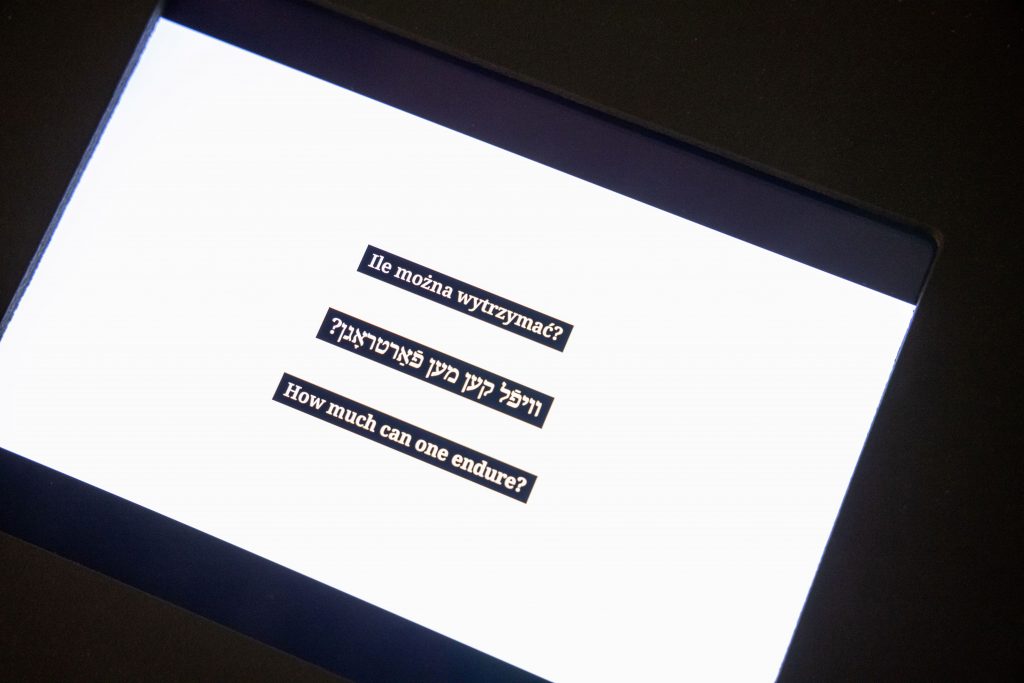
The work was a study of loneliness, isolation, boycott based on one’s ethnic origin, and the absence of allies in the non-Jewish world. It also posed a fundamental question about the meaning of Jewish art and of creating in the Yiddish language in 2026.
v i d e o i m p r e s s i o n s
t a l k a r o u n d t h e e x h i b i t i o n f o r P O L I N ’ s O r a l S t o r y C h a n n e l
curator : Ewa Chomicka
producers : Alicja Kaczmarek – Poławska, Joanna Chodkowska